The Edmund Fitzgerald: by John Ollila
Fairport Harbor and the Great Lakes – they are inseparable. The lakes have always played a major role in the lives of those people living along their shores. From the very beginning they have provided a means of transportation and commerce. And from the very beginning, furious storms have taken their toll on the sailors and families of those who ventured out in her waters.
The first ship to sail the lakes was LaSalle’s “Griffin” in 1679. She left the shores of Lake Michigan with a load of furs and a crew of six on September 10 of that year. That night gale force winds churned up the waters, and she was never seen again.
By the 1800’s, trade and commerce were thriving at Fairport Harbor and on all of the Great Lakes. Many ships were lost due to collisions and fires aboard the new steam-powered vessels. And then, there were always the storms.
By the beginning of the 20th Century, naval architects had designed bigger and safer ships, and navigation had improved. There were fewer fires and collisions, but there still was the weather. There was the storm in November, 1905, when 15 ships were wrecked on Lake Superior.
Then there was the big blow” that centered over Lake Huron in 1913. It lasted from November 7th through the 11th. Twelve vessels and their crews vanished forever; 25 vessels were driven ashore, and over 250 lives were lost. October 20, 1916, became known as “Black Friday’ on Lake Erie. Four boats went down on the lake that day. In 1940 a storm hit on Armistice Day, 27 years to the day after the 1913 storm. Seven ships went down or were wrecked on Lake Michigan.
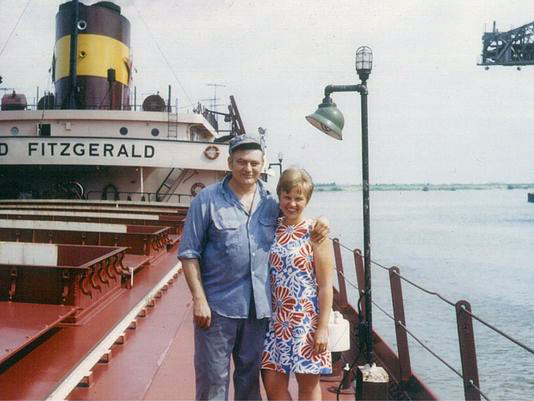
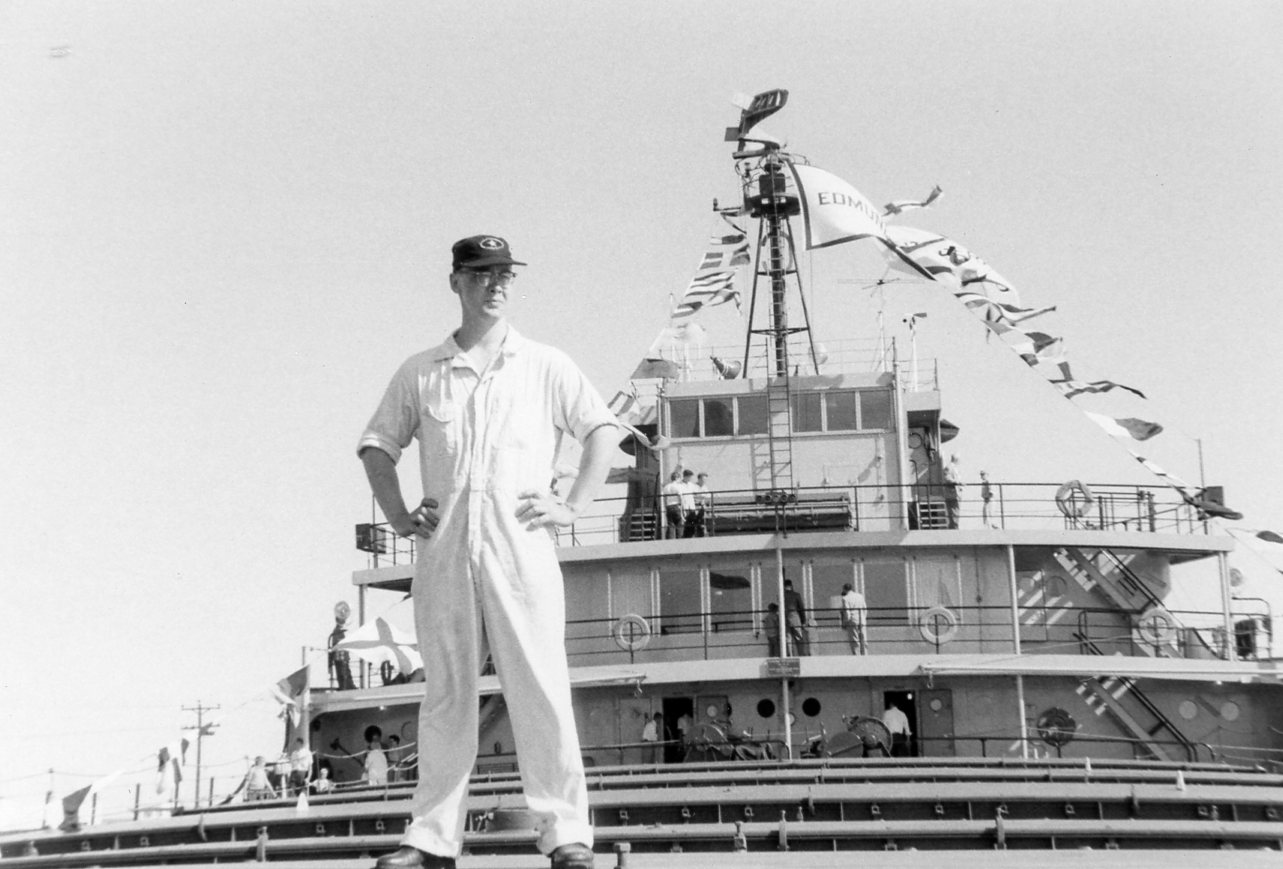
The Fitzgerald was a record setter from the day she first touched the water. On June 8, 1958, the largest crowd ever to witness a launching was on hand at River Rouge, Michigan, to see the largest vessel ever built on the lakes slide into the water. There was a Fairport Harbor connection present that day in sailor Bill Simko, who was part of the crew of the Fitzgerald. Being the pride of the American Fleet, assignment to the Fitzgerald was reserved for only the best officers and crew. Most sailors of that era would jump at the chance to be assigned to the ‘Fitz.” Her captains over the years were the most experienced on the lakes. In the fall of 1975 she was finishing her 17th year on the Great Lakes. 29 sailors, including officers and crew, manned the Fitz. 14 were from Ohio. On the last day of October the Fitzgerald sailed from Toledo to Silver Bay, Minnesota. They loaded taconite pellets for Ashtabula. While in Ashtabula, many of the Ohio sailors were able to visit with family and friends. From Ashtabula she was upbound to Superior, Wisconsin. There on November 9 the Fitzgerald loaded 26,116 tons of taconite at Burlington Northern Railroad Dock #1. Shortly after 2 p.m. she set outbound for Detroit. Several hours later the Arthur M. Anderson was sighted, also downbound with a load of taconite.
During that night, Captain McSorley and Captain Cooper of the Anderson kept in contact over the radio. They took the longer but safer northern route across the lake due to the warnings they had just received concerning the weather. Throughout that night and into the morning of November 10, they worked their way down the lake in ever increasing wind and waves. By noon both had made alterations in their courses to head in a more southeasterly direction toward Whitefish Bay. By this time the faster Fitzgerald was about 15 miles ahead of the Anderson. Shortly before 3 p.m., a heavy snow began to fall, and the wind, now blowing from the northwest, increased to a steady 43 knots. Although the Anderson could not see the Fitzgerald in the storm, her radar showed that the Fitzgerald was still 16 miles ahead.
At 3:30 p.m. Captain McSorley reported to the Anderson that the Fitzgerald had a fence rail down, two vents lost or damaged, and a list. He was also slowing down so the Anderson could keep in contact.
At 4:10 the Fitzgerald radioed the Anderson that both radars were out, and they needed navigational help. For the next several hours, the Anderson and the Fitzgerald discussed their positions and course headings.
At this time the locks at the Soo had closed because of the weather. Winds in the area were reported at 70 knots gusting to over 80.
The last contact with the Fitzgerald came at 7:10 p.m. when asked by the Anderson “How are you making out with your problem?”, Captain McSorley replied “We are holding our own.” Those were the last words heard from the Fitzgerald. As the snows eased up and visibility improved, the lights of the Fitzgerald were nowhere to be seen. There was no image on the Anderson’s radar screen where the Fitzgerald should have been. Only God and those on board will ever know exactly what happened that night.
The news of the tragedy spread throughout the Great Lakes area and throughout the nation. Of the 29 men aboard the Fitzgerald, 14 were from Ohio. Fairport Harbor lost one of its own First Assistant Engineer, Eddie Bindon. He lived here all of his life. He graduated from Harding High School in 1946. He was a well-respected citizen of this community, a member of St. Anthony’s Church, and a friend to many in the village.
The Fairport Harbor Historical Society is dedicated to preserving and perpetuating historic tradition in the Village of Fairport Harbor and the Great Lakes area There is hardly a family in this town that hasn’t been touched by what has happened on the lakes. The stories abound: grandfathers who shoveled the iron ore at the docks; fathers, brothers, and sons who sailed or are sailing on the freighters; and those who worked the fishing boats or tugs. Eddie Bindon sailed the lakes for 27 years. He will forever be a part of that bond between Fairport Harbor and the Great Lakes.
Fairport Harbor will always remember Eddie Bindon and the men of the Fitzgerald.
Photo Gallery
Click Image to Enlarge
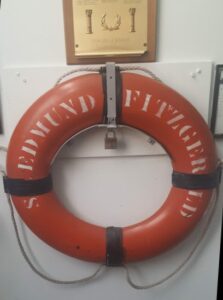
Photos Courtesy of Bill Simko
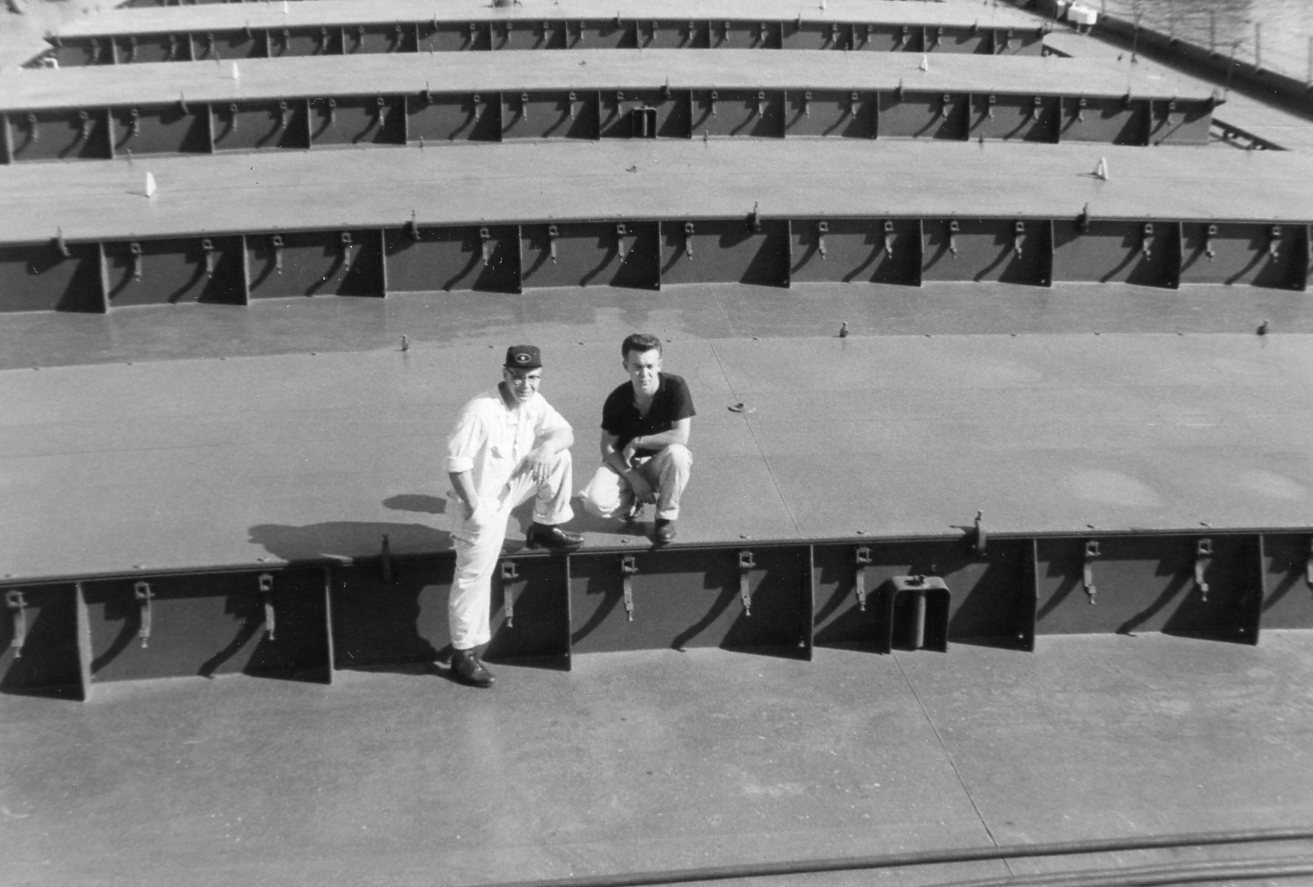
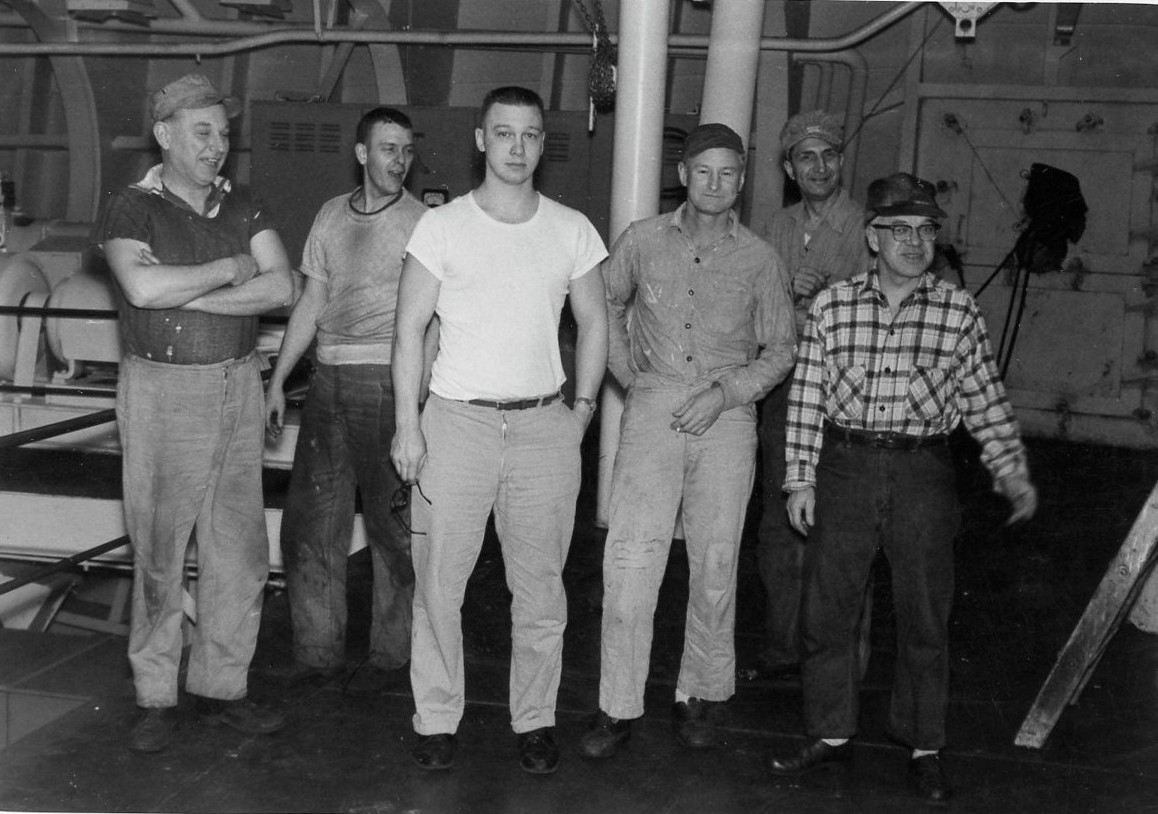
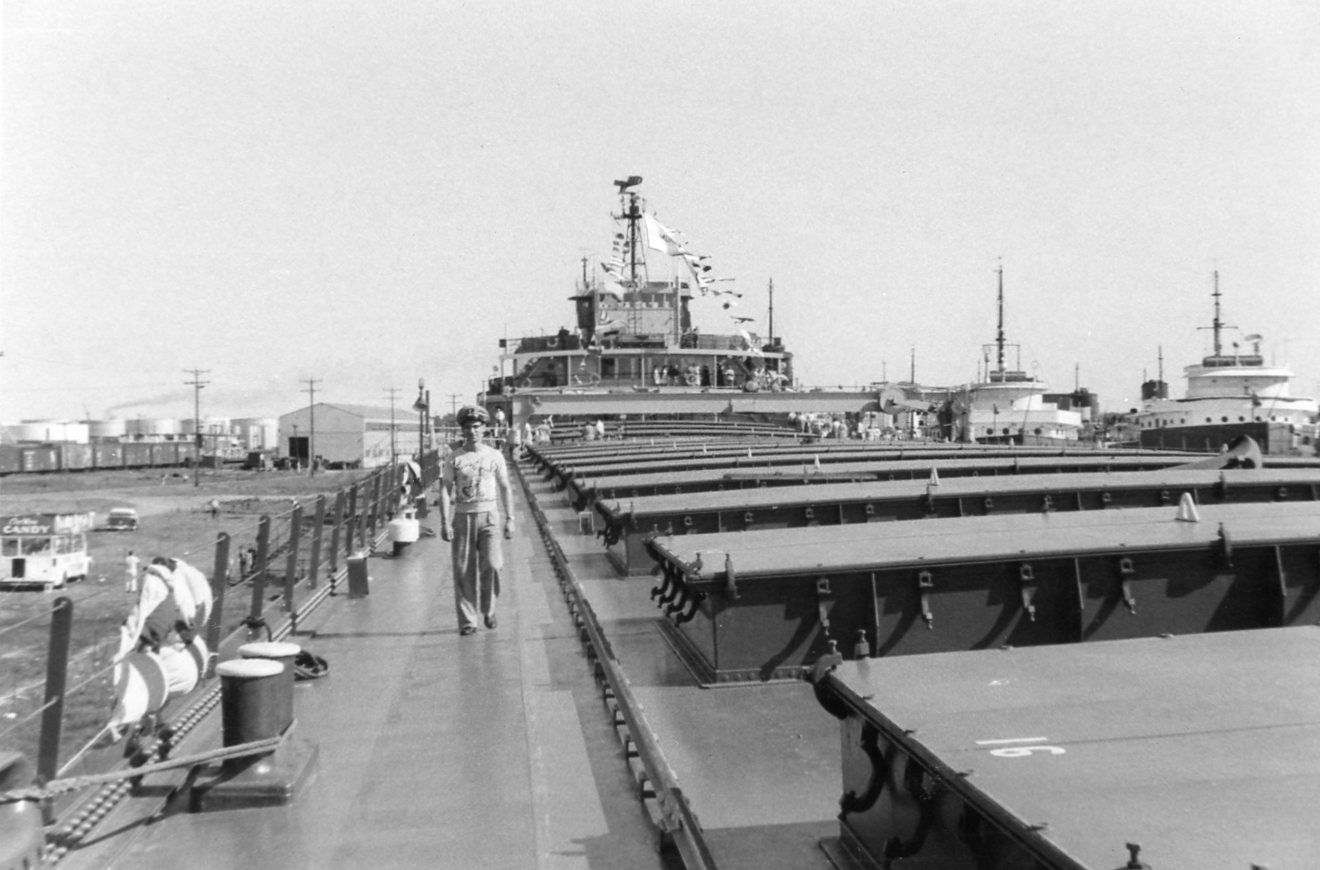
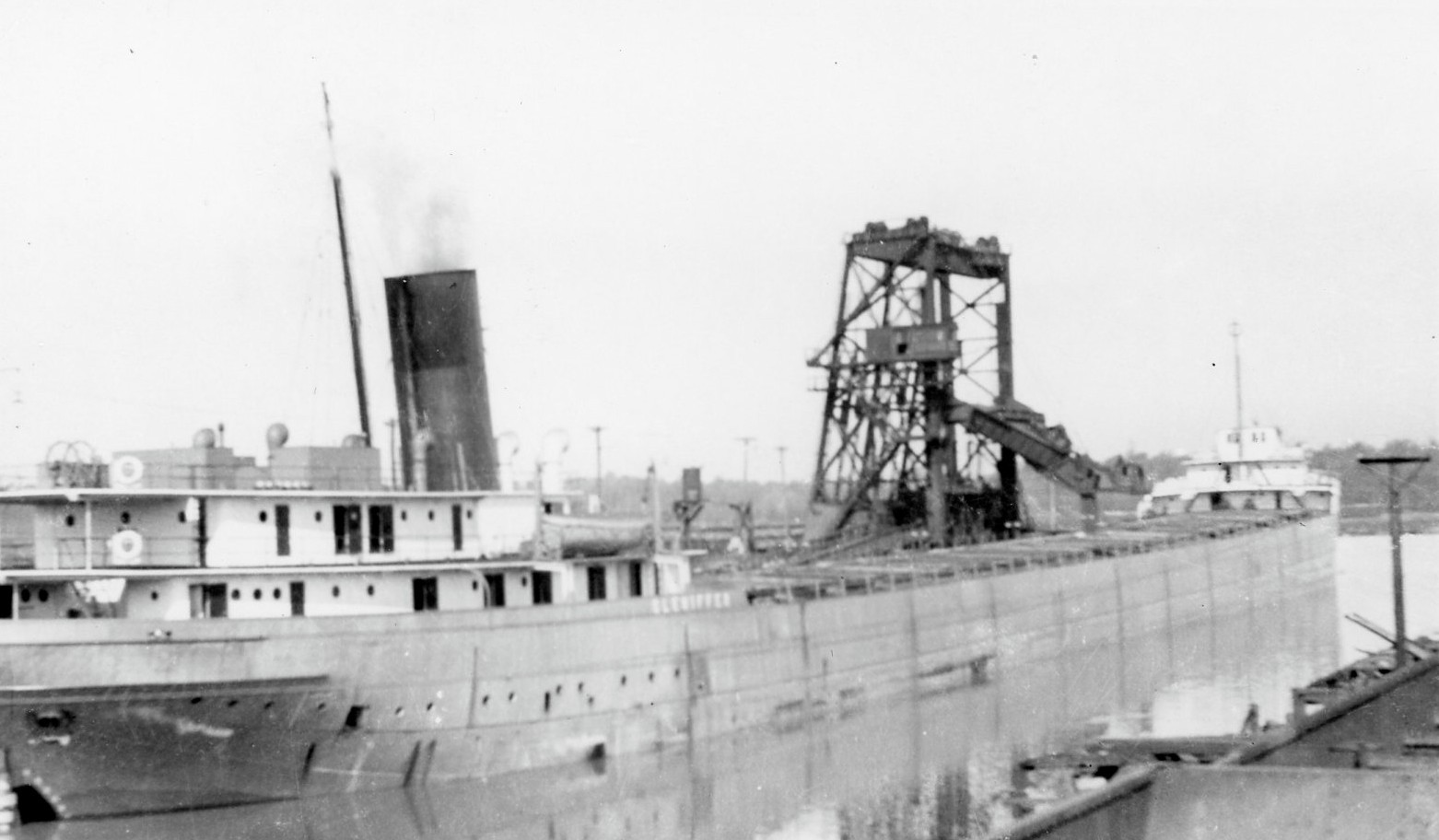
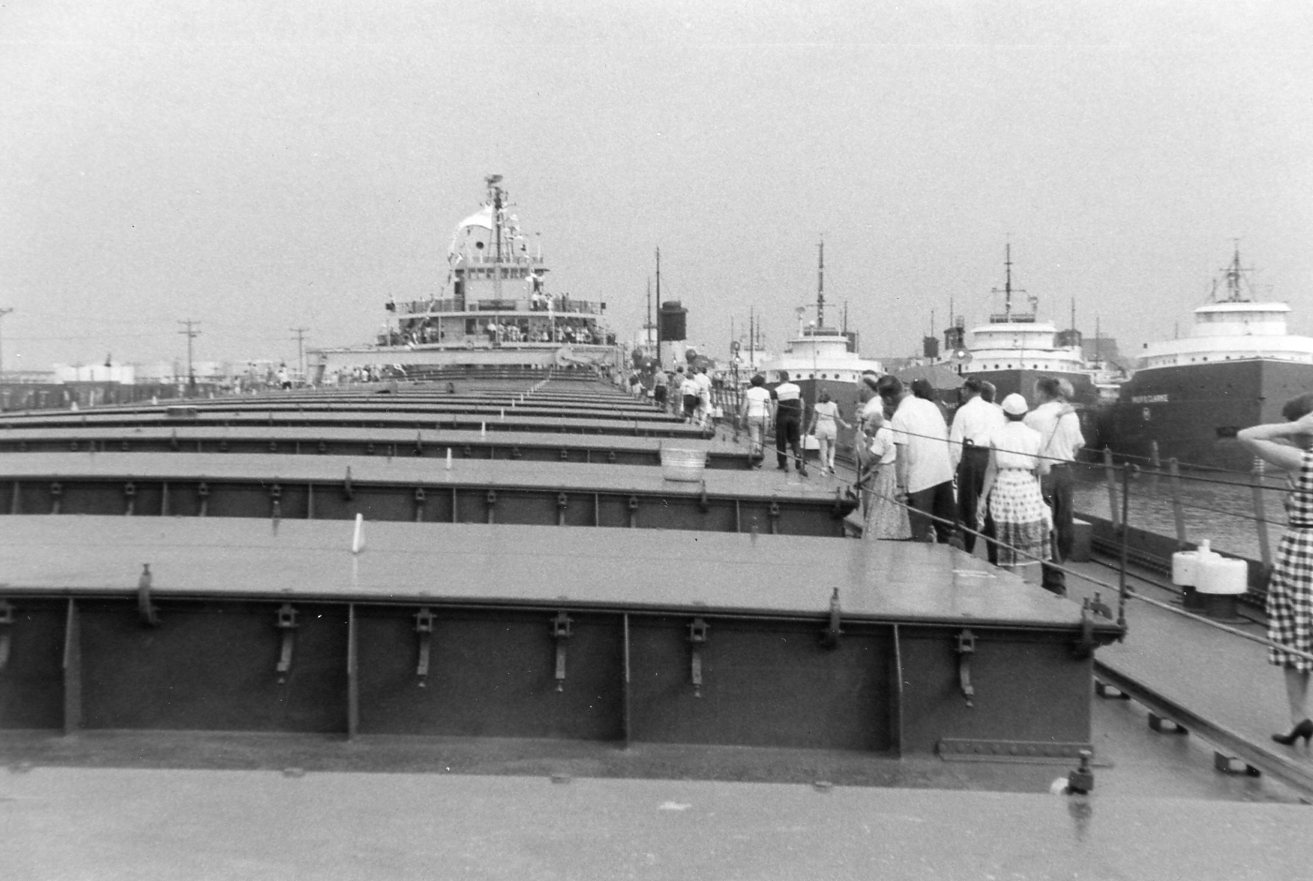
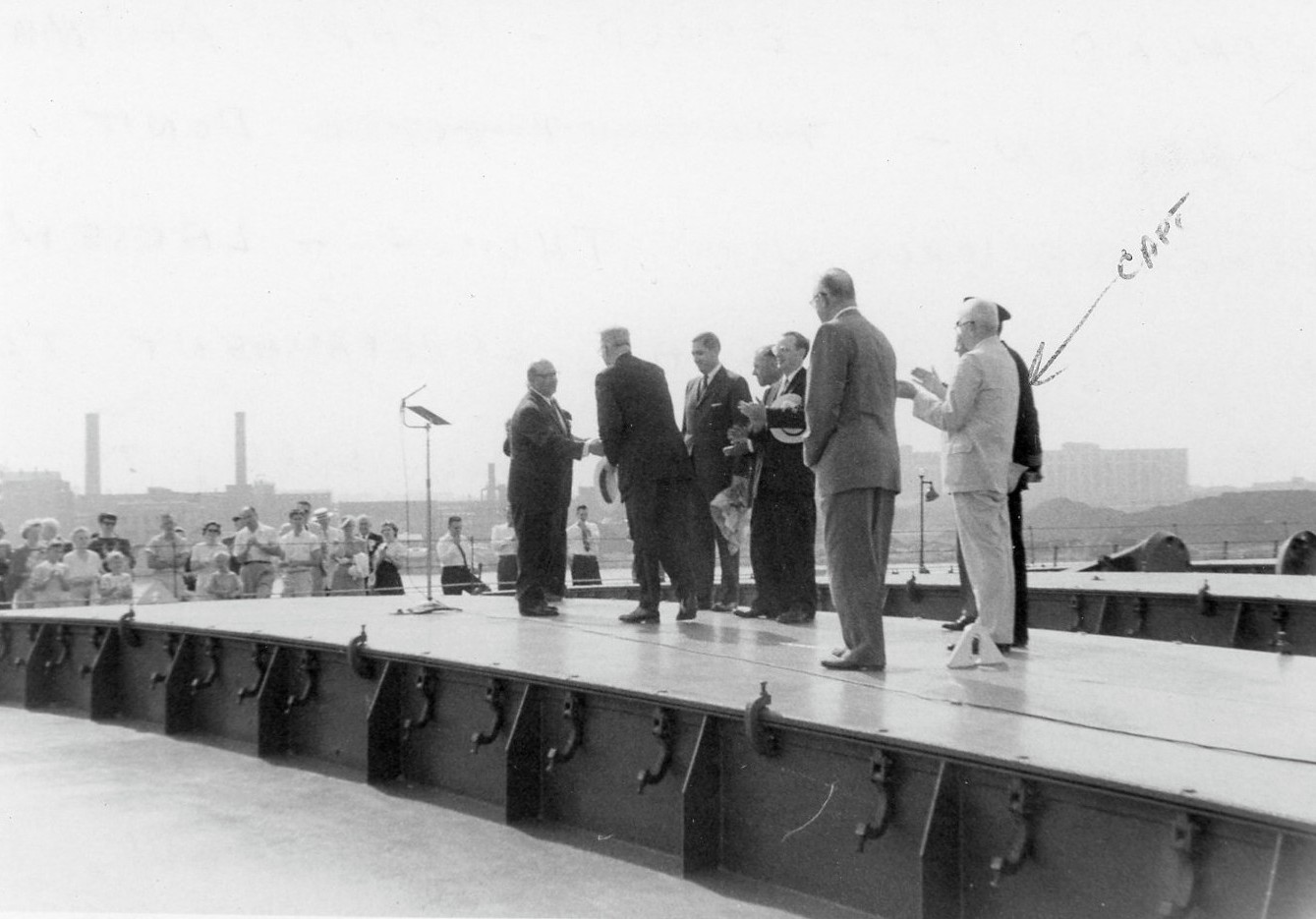
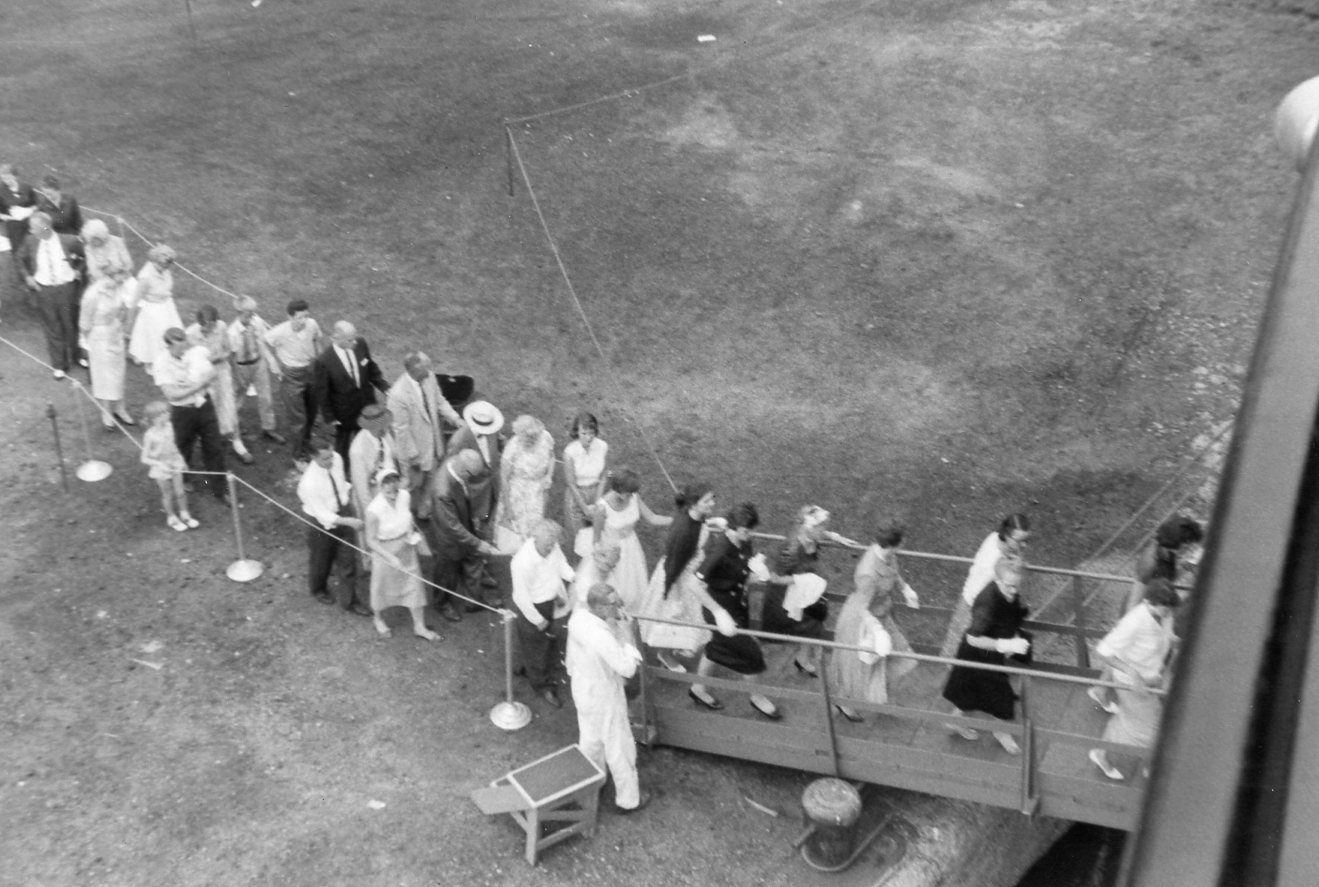
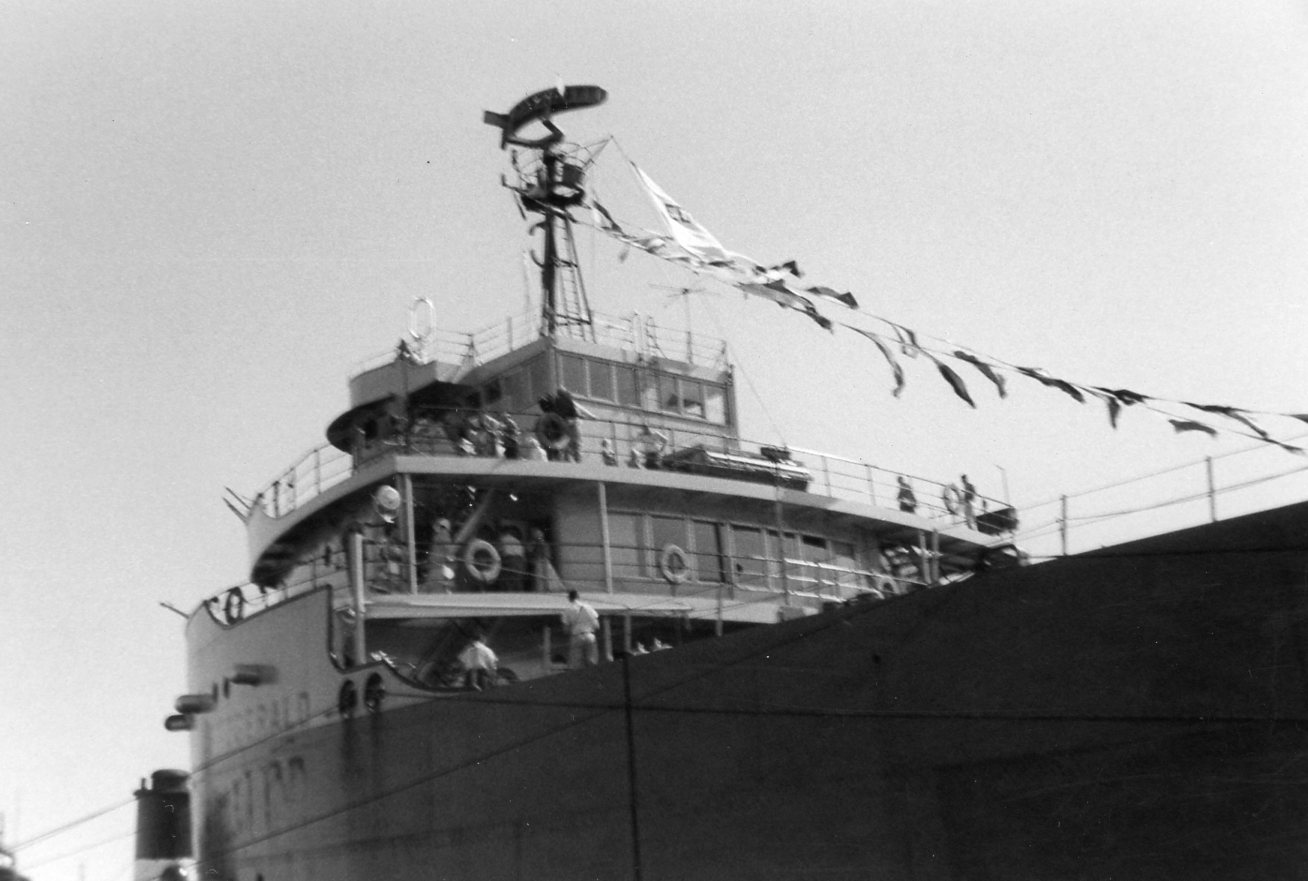
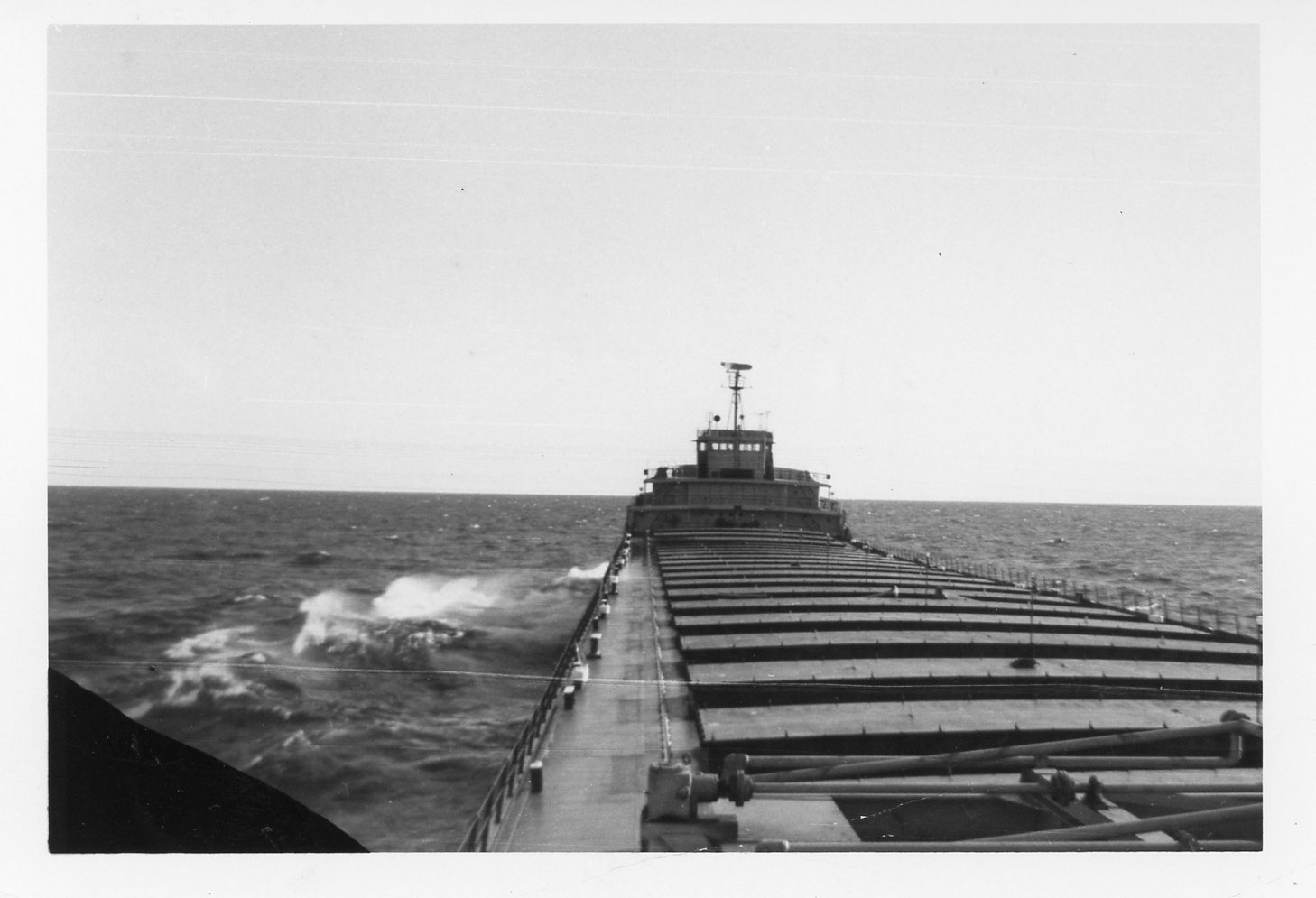
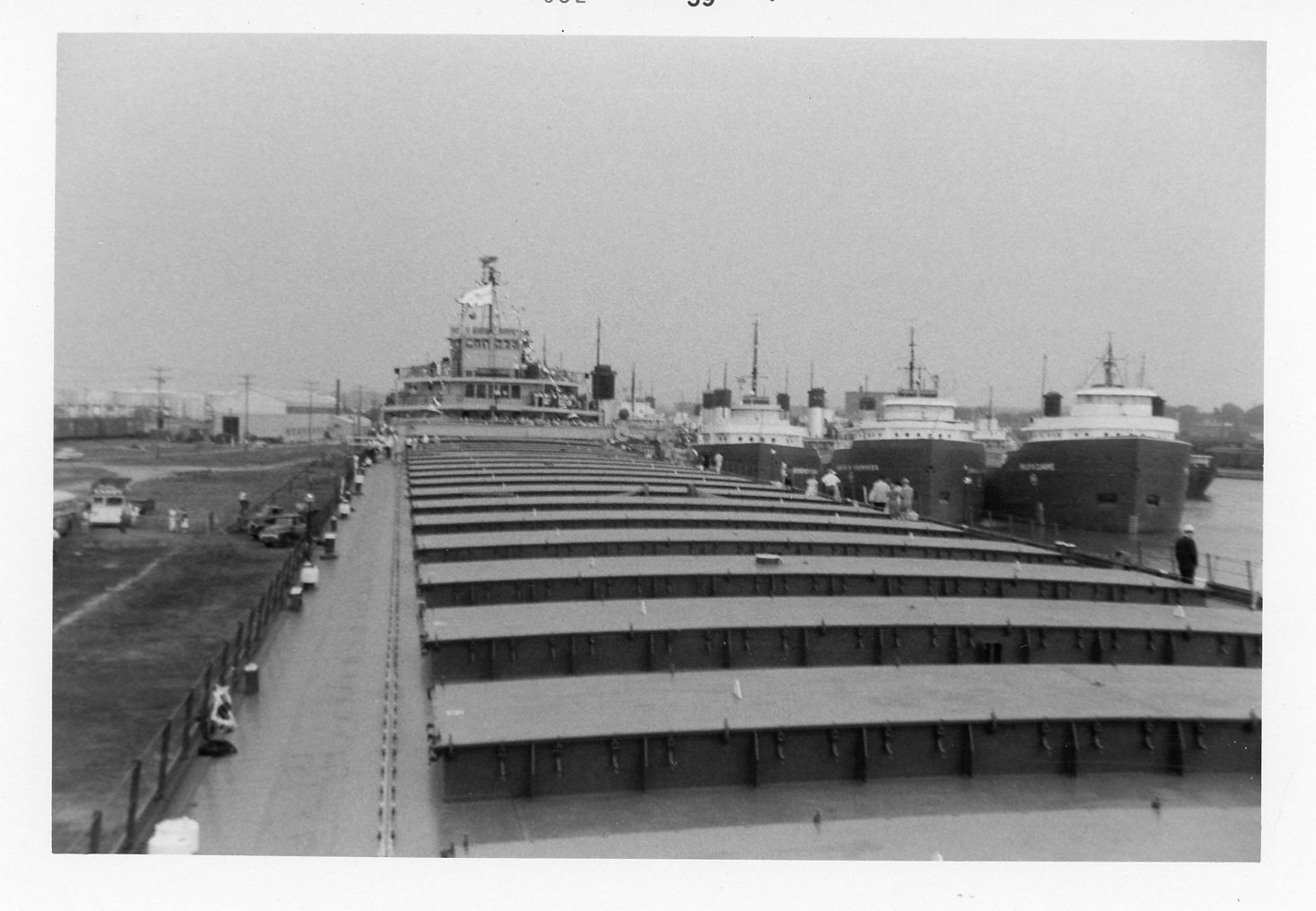
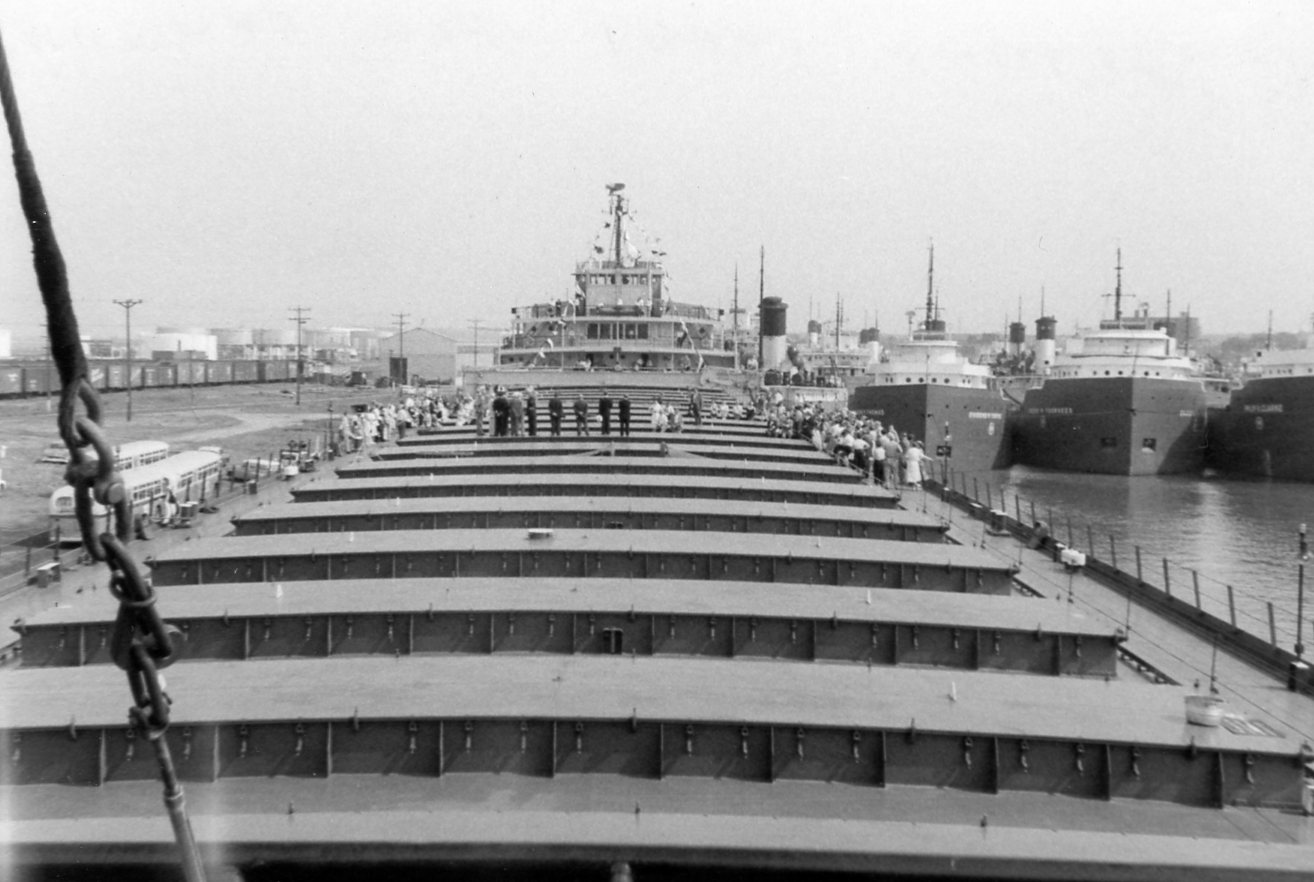
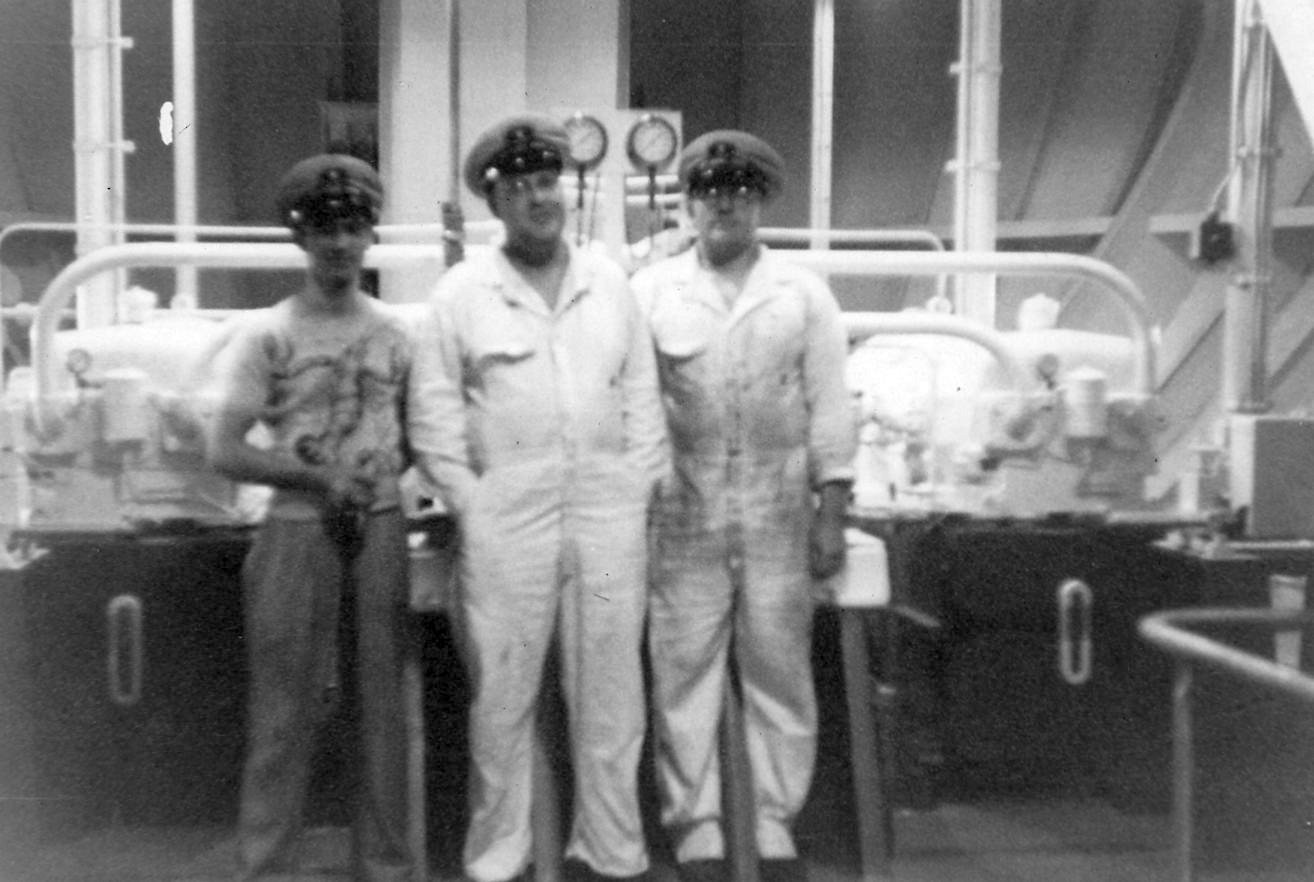
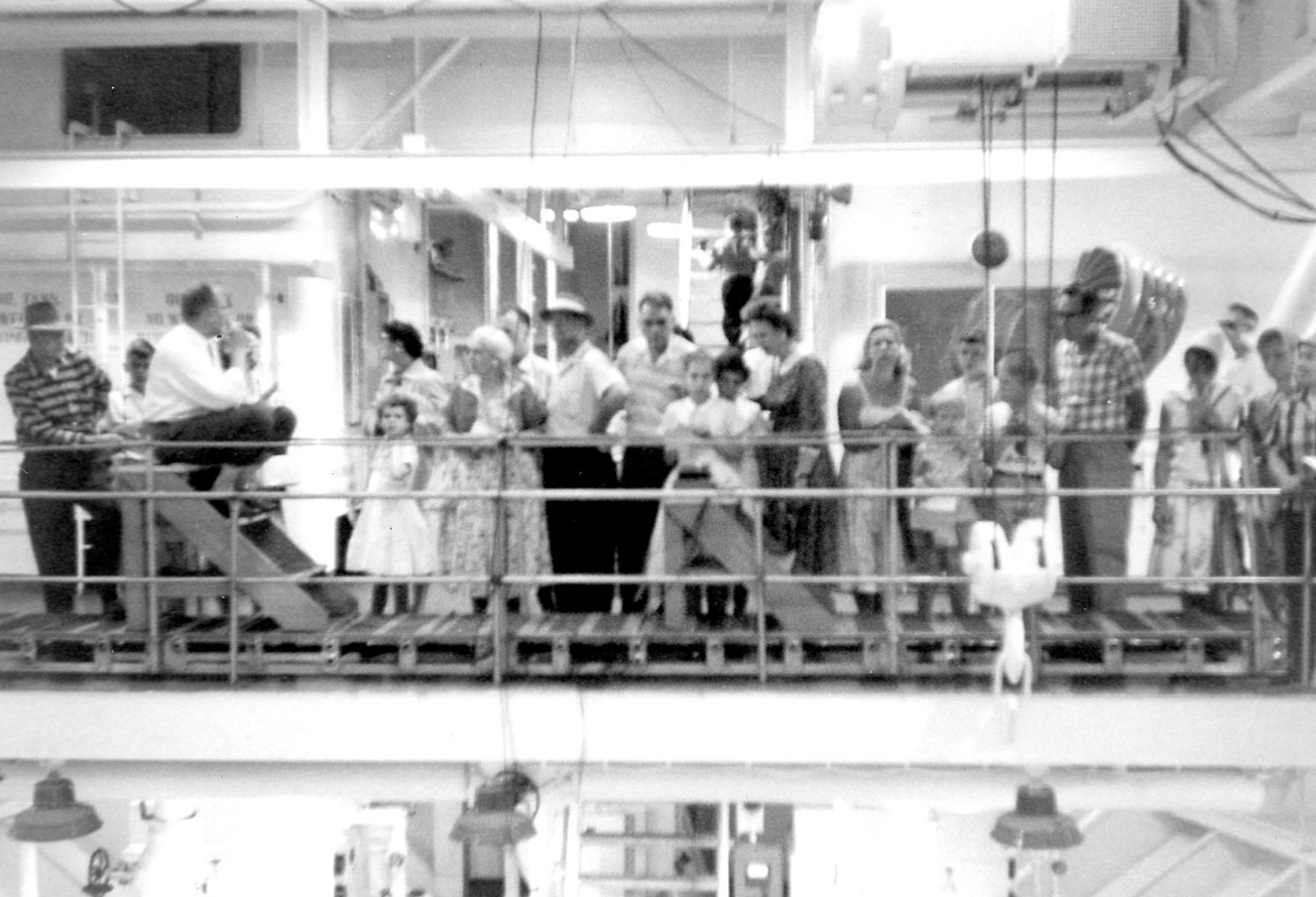
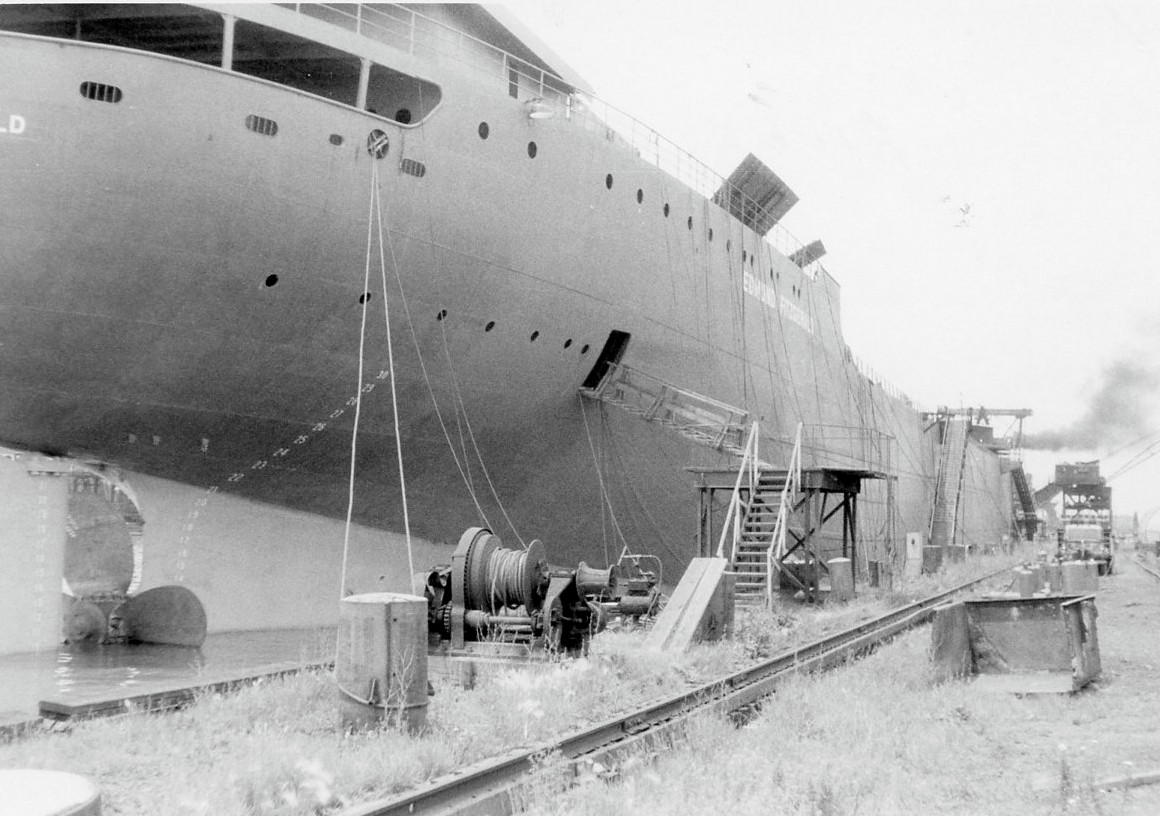
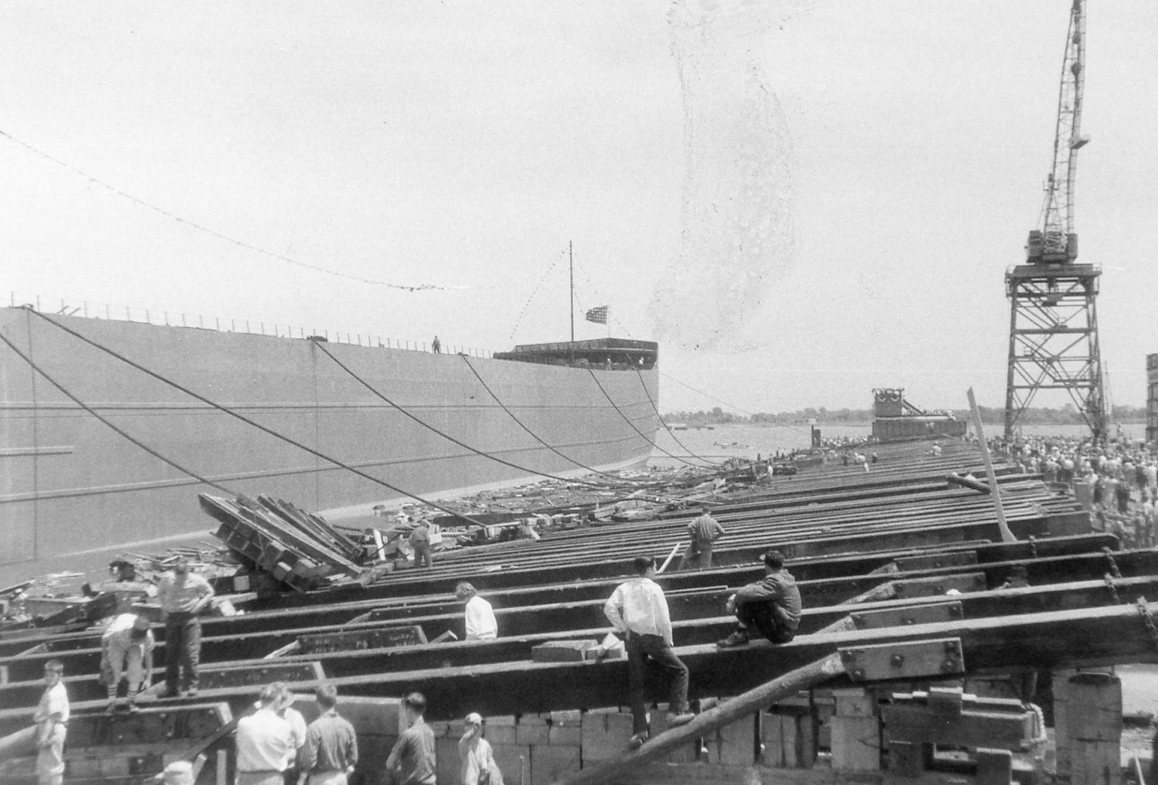
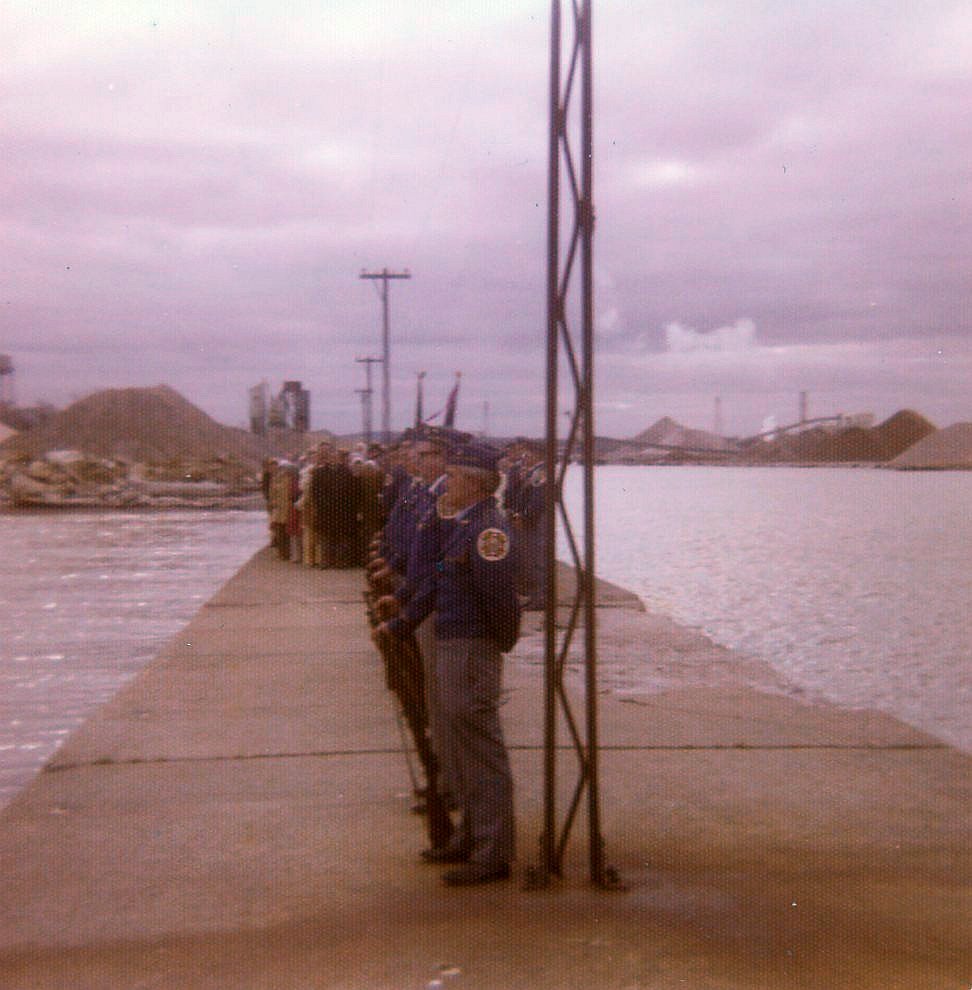
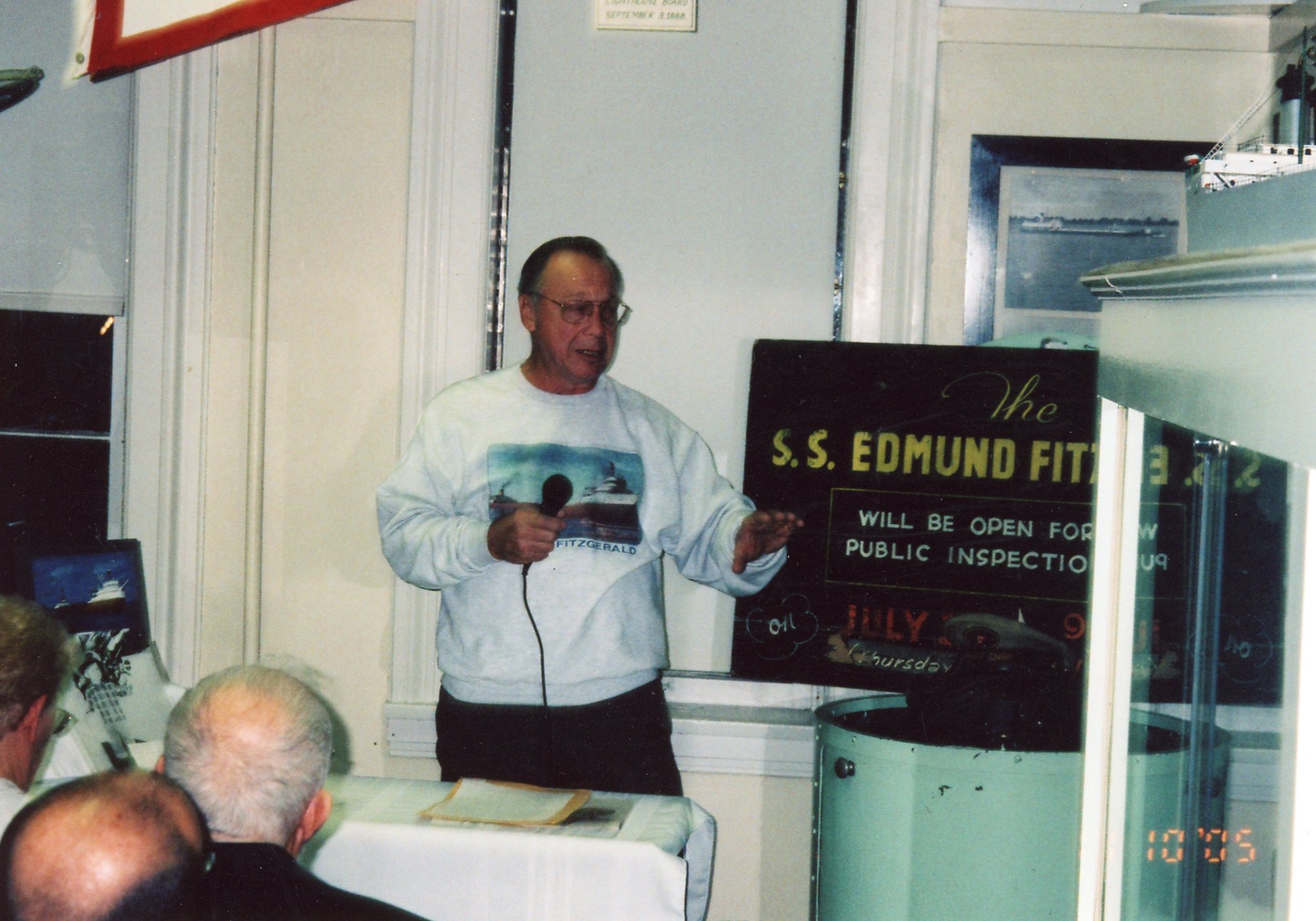
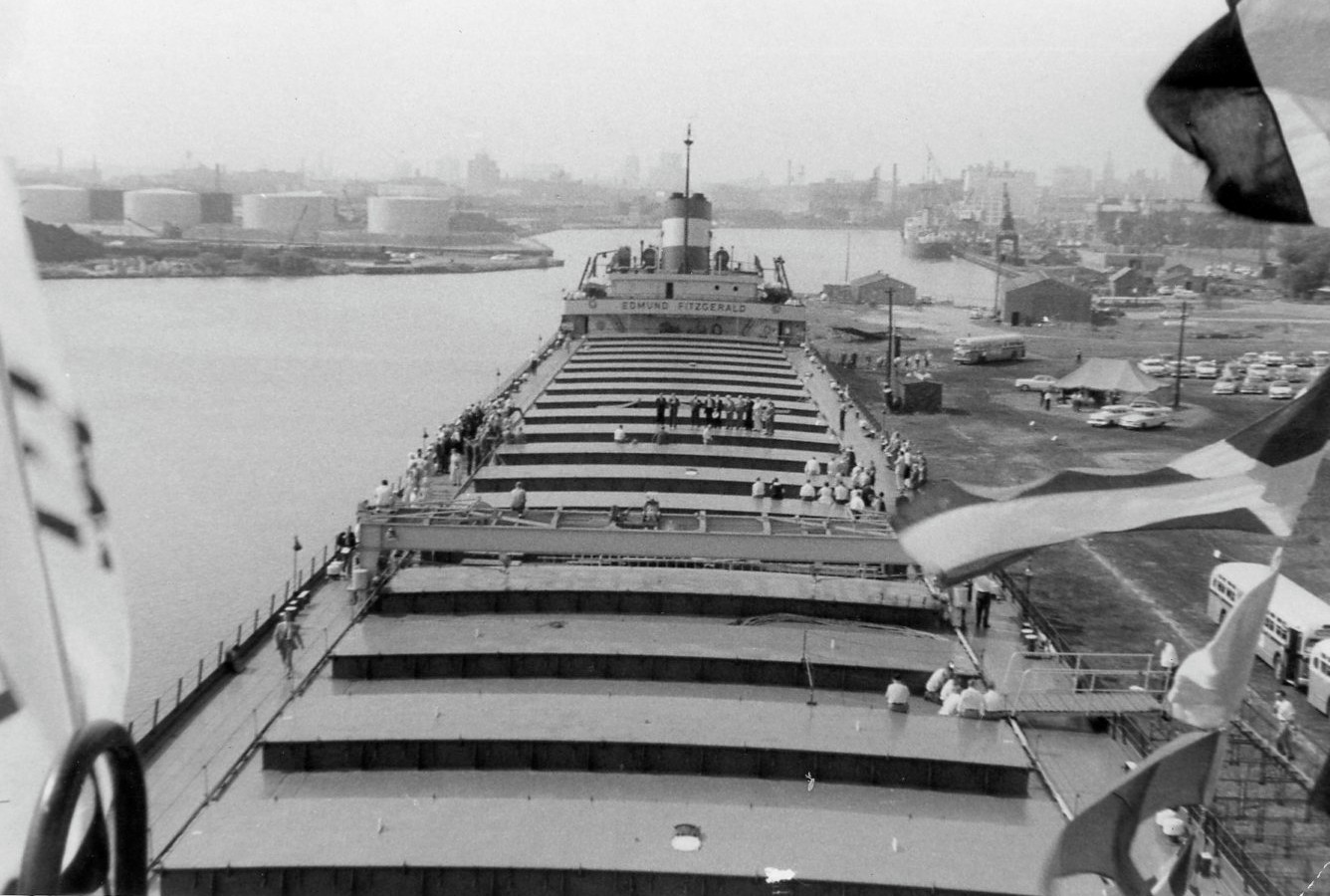
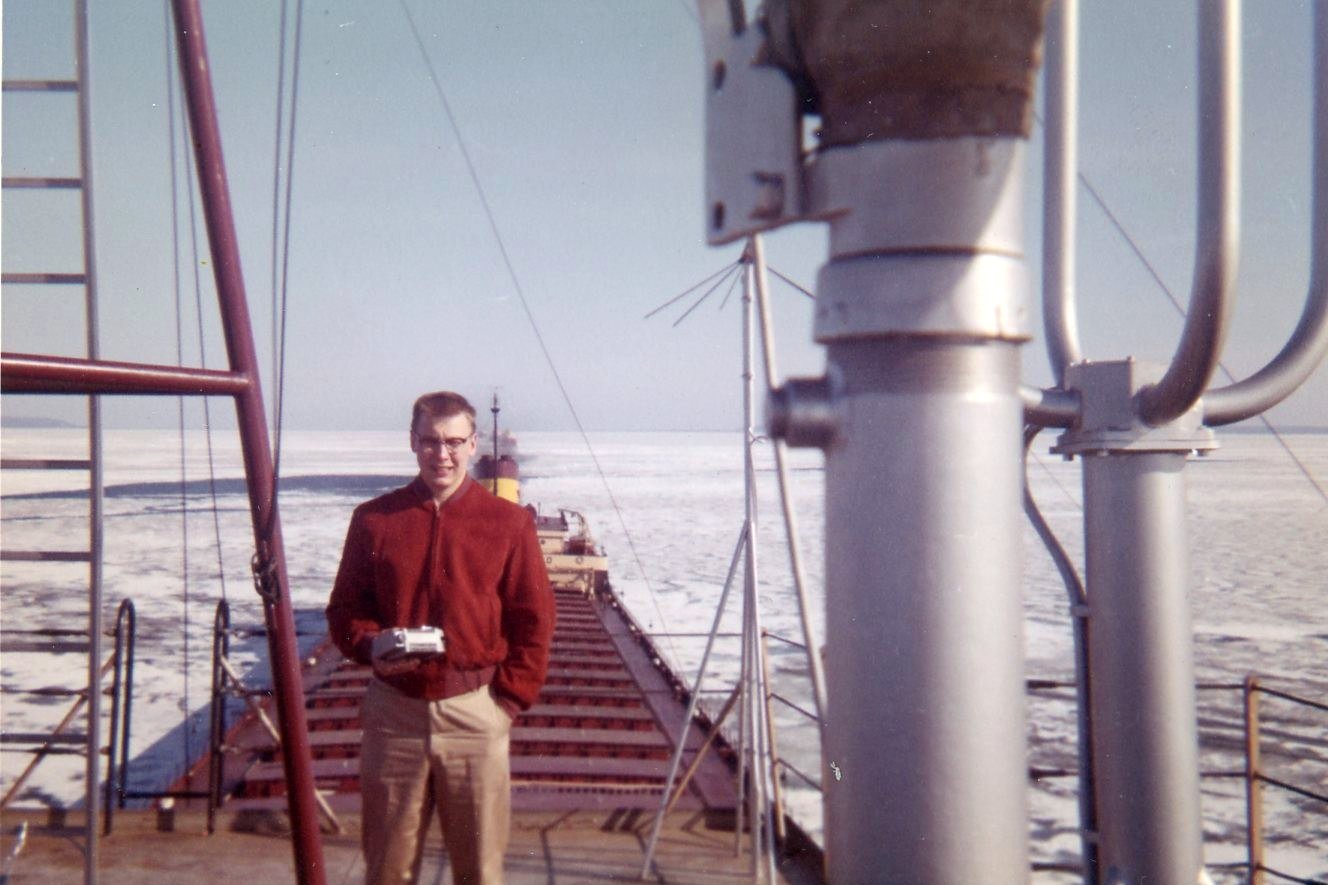
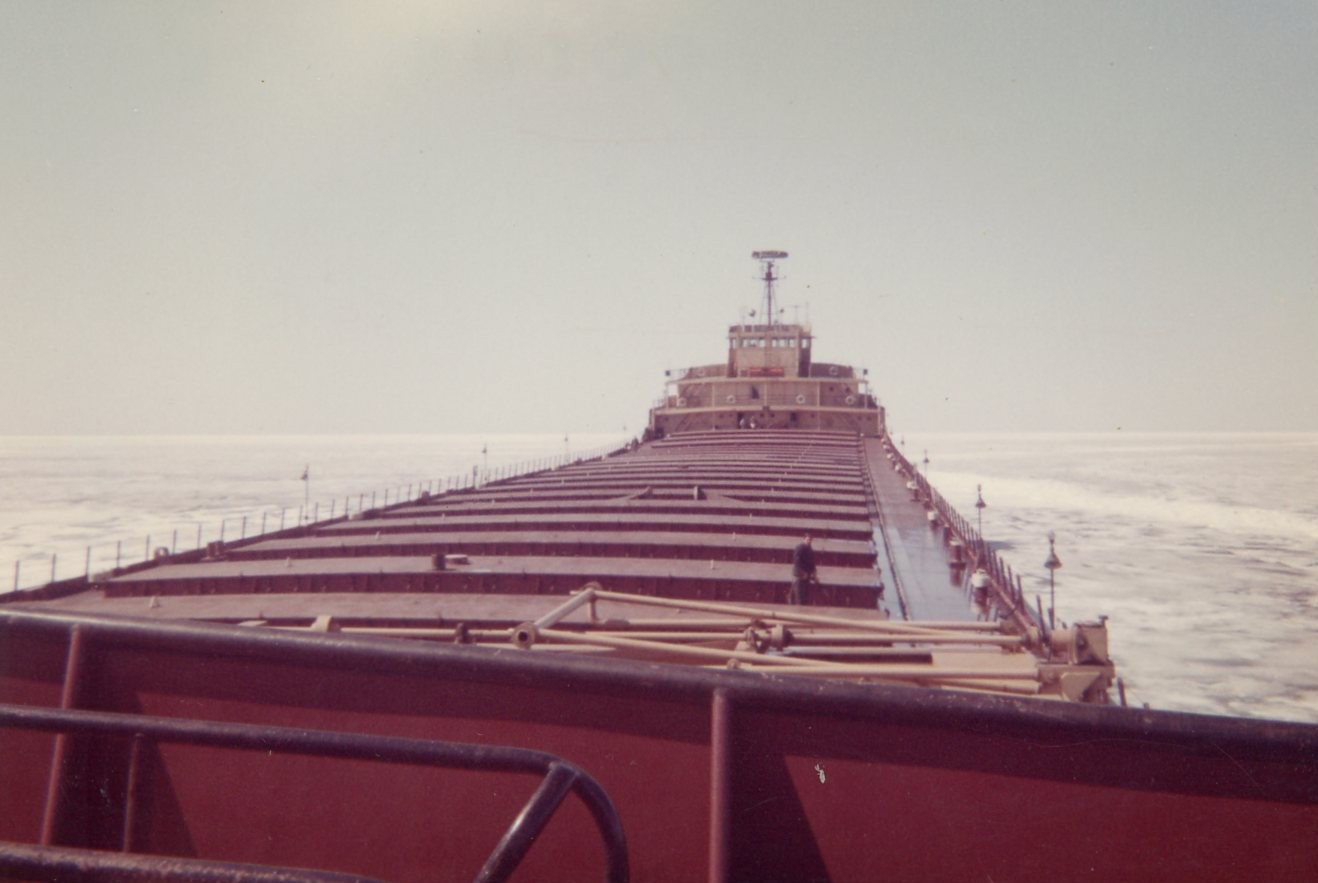
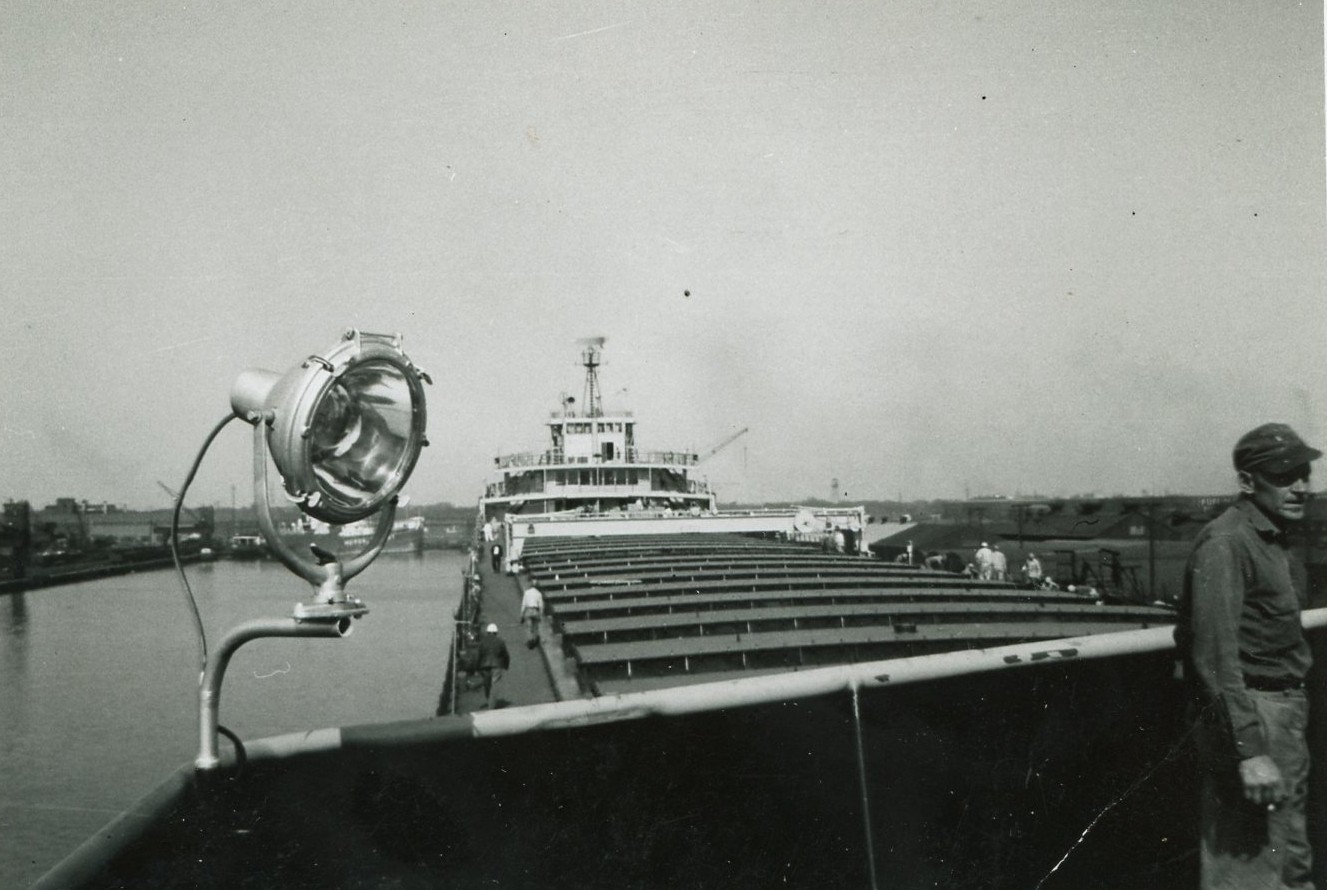
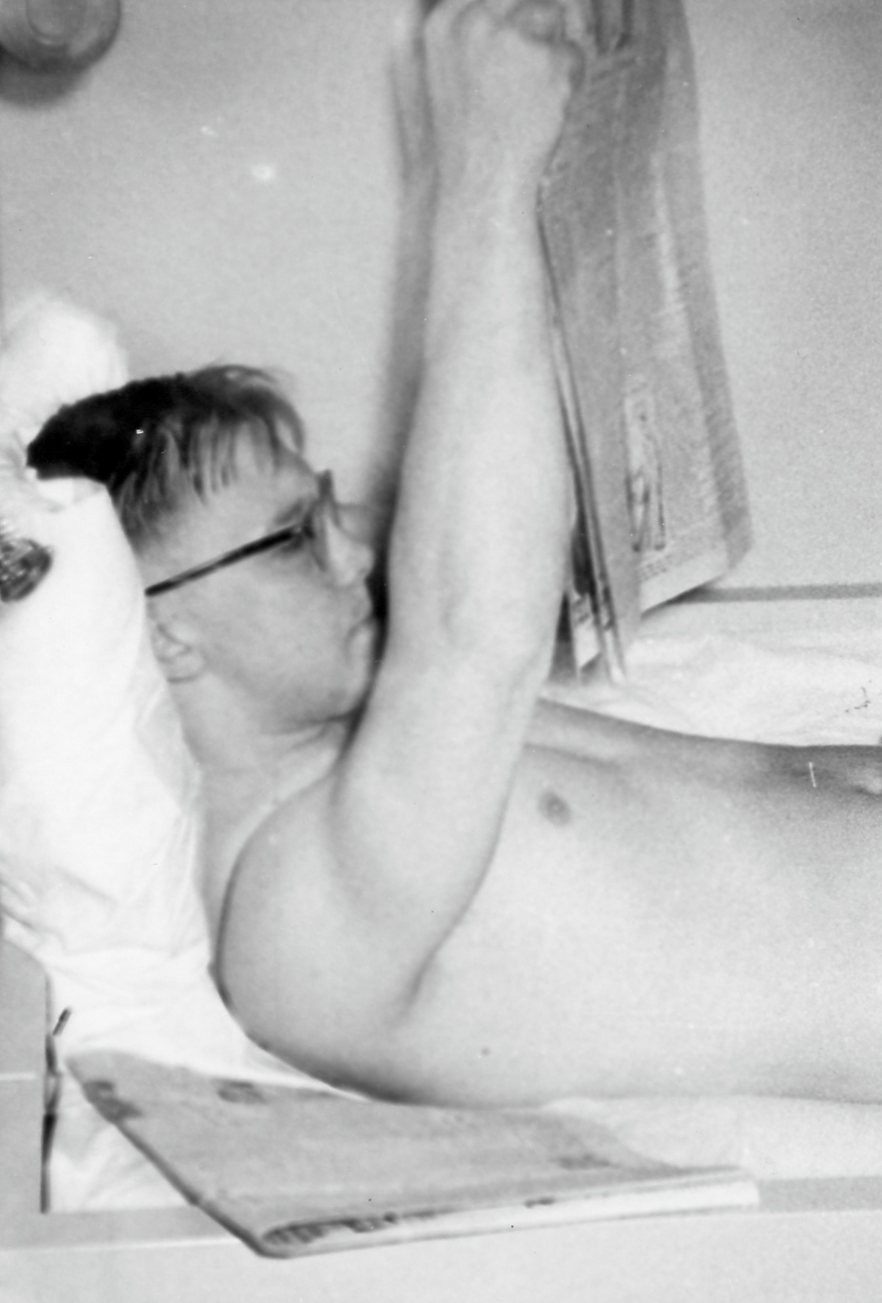
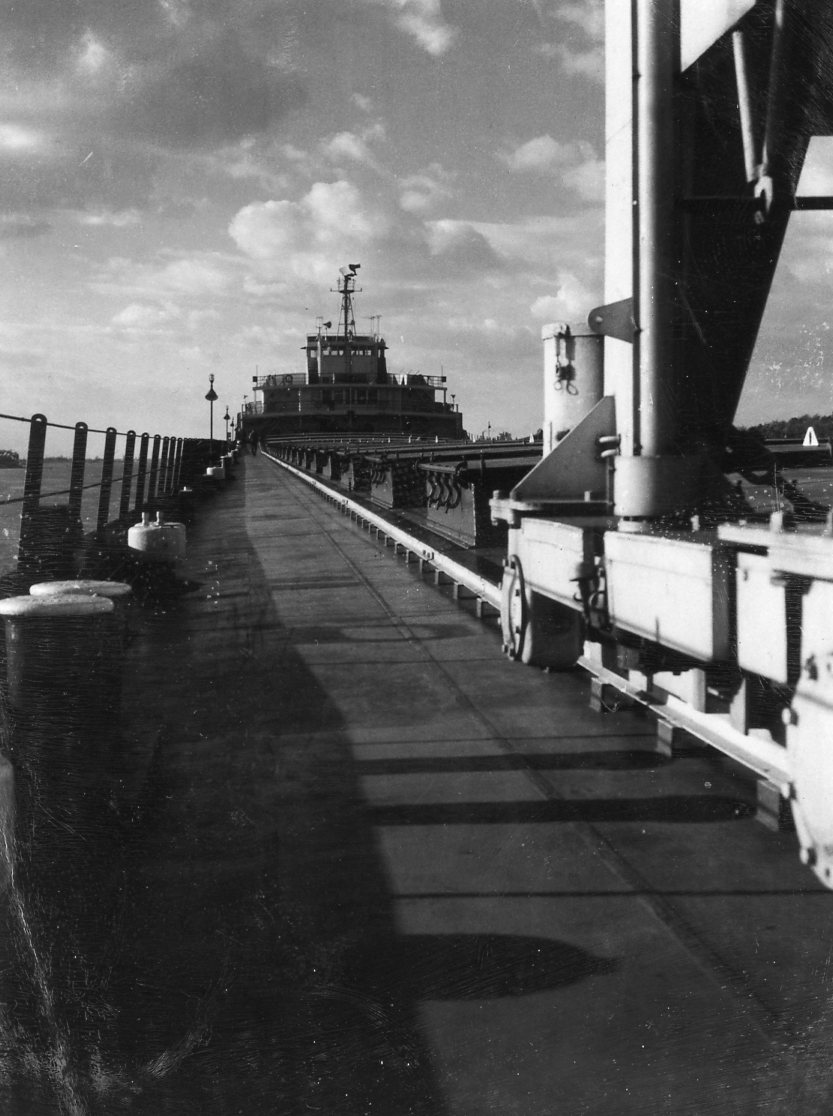
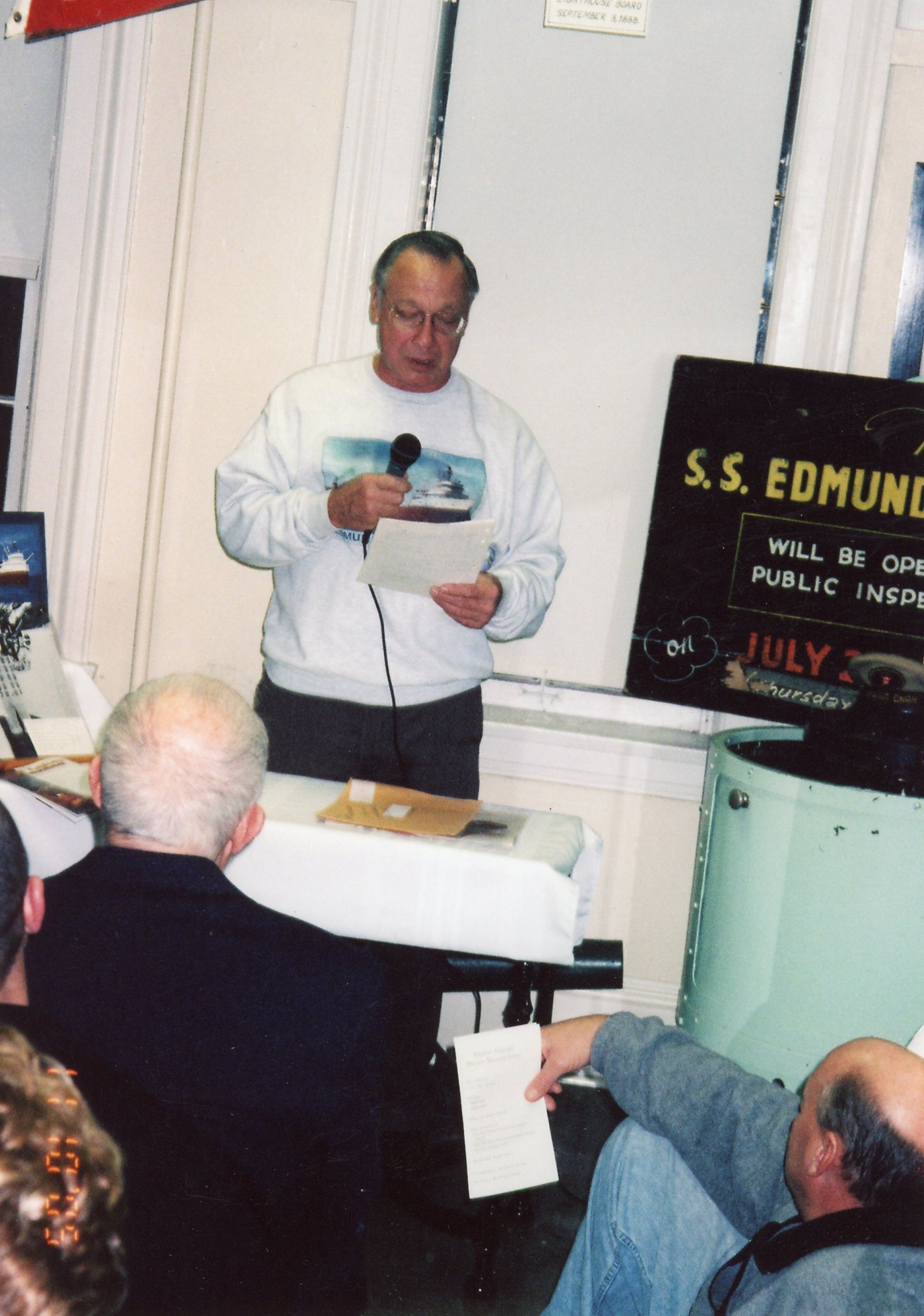
The Historical Society’s remembrance ceremony was held November 10, 2025 at the VFW Post 7754 in Fairport Harbor. Highlights of the evening were, Bill Simko Fairport resident, who sailed on the Fitz in earlier years. Bill shared his photos and memories of his years onboard the Fitz. Fran Gabor and Debbie Kunsman, nieces of Eddie Bindon, gave a touching eulogy/remembrance of their Uncle Eddie. Dan Maxson and John Ollila were masters of Ceremony. Tina Green gave the opening prayer and Benediction. The event closed with Bruce Gregg playing Amazing Grace on his bagpipes. It was a community driven event and those present enjoyed the evening.
Below is a copy of Fran Gabor’s remembrance of her uncle Edward Bindon.
Edward Bindon Eulogy/Remembrance
Good evening, I’m Fran Gabor. Eddie was my uncle. My father was Joe Majoros from Fairport and it was my father’s sister, Helen who married Eddie. I’m here this evening with my sister Debbie Kunsman, to honor our uncle and to share with you some of our childhood memories. After we were contacted by the Historical Society, Debbie and I I got in touch with our brother Chris, who lives in Arizona and memories started to flow. Having worked on the freighters for 25 years we have a vivid recollection of Uncle Eddie coming home only to have to leave again. But the time we spent with him are times that made us smile and laugh even today. Because when Uncle Eddie came home it was party time. There was food galore! Everything was top shelf like steaks, lobster, filets, crab legs, and prime rib. Back in those days my brother and sister would walk home for lunch from St. Anthony’s school to Helen and Eddie’s house on Courtland street to find perhaps prime rib for lunch but more often it was open face steak or turkey sandwiches piled high with meat and smothered in gravy. It was a wonder that they were able to stay awake in school in the afternoon. When we started reminiscing, this was the very first thing the both of them brought up. We remembered that Eddie enjoyed his liquor and a good Camel cigarette.
He loved high balls and he even taught my sister how to mix one as a kid. A very important life’s lesson. Uncle Eddie would be home every Christmas and what a hoot Christmas was with him. Money seemed like no object when it came to gift giving to us kids. He was our Santa Claus. Christmas Eve was a time of celebration for our family and it meant going from one relatives house to another in Fairport where there was plenty of food and an unending amount of drinks and a lot of laughs. So after a long evening of gift giving, eating, drinking and merry making, the family would pack up and head to midnight mass at St. Anthony’s back when midnight mass was at midnight. We would settle in at church where is was warm and quiet with Christmas carols softly playing. It was not uncommon to hear snoring coming from our pew or looking over only to see Aunt Helen giving Uncle Eddie a good nudge in his ribs.
We remembered that one thing that Uncle Eddie could do would be to talk exactly like Donald Duck at the most inappropriate times. I recall that as a young woman I was trying to have a conversation with him about my getting married and all the while he was talking to me like Donald Duck or when he and Aunt Helen would come over our home to play pinochle with my parents and if Helen played the wrong card he’d go off on a Donald Duck tantrum. My sister Debbie summed it up this way: Eddie was a Donald Duck talking party animal who fell asleep at midnight mass, made the greatest lunches when he was home from the boat, drank high balls and chain smoked Camels until he had an angina attack. He’d come out of the bathroom saying “the bird of paradise was just in there” or long before caller id he would answer the phone saying, “Church of Christ, Christ speaking.” He was colorful, fun loving and you just wanted to be with him. But time moves on and we grow up.
On his last visit home, I remember a conversation I had with him. This time there was no Donald Duck but a seriousness I was not used to seeing. He told me he was ready to retire having developed a sense of fear and uneasiness with being on the lakes. It was about that time that he had purchased a 2 carat diamond ring for Helen for their anniversary. He made arrangements with a friend whose name I do not recall to keep the ring for him until he returned because he didn’t want to take it on the Fitz. Perhaps it was an omen. After the ship went down his friend got a hold of my Uncle Julius, my father’s brother and made arrangements to meet to give Julius the ring. The family was gathered in Helen’s kitchen when Uncle Julius came in with the ring and presented it to her. There wasn’t one dry eye and I can tell you personally it was one of the saddest moments of my life. Uncle Eddie was a man who just wanted to finish out his time on the Fitzgerald and come home to retire. But on Nov. 10th, 1975 the gales of November had its way with the Edmund Fitzgerald and the 29 souls aboard all made their final journey home.